
From scenic state parks to mountain trails, hiking continues to grow in popularity as people look for ways to stay active outdoors. As both a podiatrist and avid hiker, Dr. Jessica Katzer understands the importance of keeping your feet healthy on the trail.
Whether you’re planning a weekend nature walk this summer, exploring a national park, or preparing for a more challenging trek, the right footwear, support, and preparation can help prevent injuries and keep you moving comfortably.
“Your feet are the foundation for every hike,” says Dr. Katzer. “A little preparation before you hit the trail can make a big difference in how you feel during and after your adventure.”
Start with the Right Footwear
Choosing the right hiking footwear is one of the most important steps hikers can take to protect their feet and ankles.
“The best hiking shoe is the one that fits your foot properly,” says Dr. Katzer. “What works for one person may not work for another, so comfort and fit should always come first.”
When selecting hiking shoes or boots, consider:
- Adequate room in the toe box
- Proper arch support
- Good traction for the terrain
- Appropriate ankle support for your activity level
- Cushioning that matches your comfort needs

Dr. Katzer, ORA Orthopedics
Dr. Katzer also recommends breaking in new footwear before a major hike. “Don’t wait until a big hiking trip to test new shoes or boots,” she says. “Wear them on shorter walks first to identify any pressure points or areas that may cause discomfort.”
Don't Forget About Your Socks
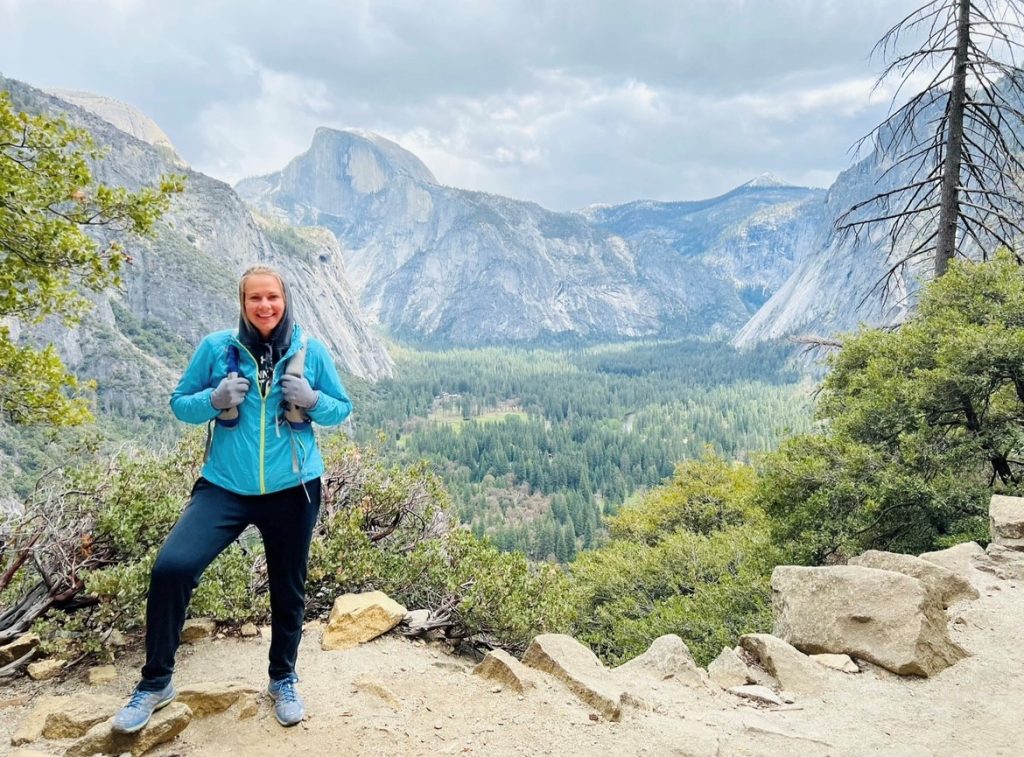
While footwear often gets most of the attention, socks play an important role in foot comfort and blister prevention.
Moisture-wicking hiking socks made from wool blends or synthetic materials can help keep feet dry and reduce friction. Cotton socks tend to retain moisture, which may increase the likelihood of developing blisters during longer hikes.
To help prevent problems on the trail, Dr. Katzer recommends:
- Wearing moisture-wicking hiking socks
- Packing an extra pair for longer hikes
- Changing socks if they become wet
- Addressing hot spots before they turn into blisters
“Something as simple as a good pair of socks can make a noticeable difference during a hike,” says Dr. Katzer.
Common Foot and Ankle Problems Hikers Experience
Even experienced hikers can experience foot and ankle issues, especially when increasing mileage or tackling uneven terrain. Some of the most common conditions Dr. Katzer sees include:
Blisters: Blisters are often caused by friction, moisture, and pressure. Properly fitted footwear and moisture-wicking socks can help reduce the risk.
Plantar Fasciitis: Long hikes can place additional stress on the plantar fascia, the band of tissue that supports the arch of the foot. Heel pain during or after hiking may be a sign that this condition is developing.
Tendonitis: Overuse, steep inclines, and sudden increases in activity can lead to inflammation of the tendons in the foot and ankle.
Ankle Sprains: Uneven terrain, loose gravel, roots, and rocks can increase the risk of rolling an ankle on the trail.
Toenail Injuries: Repeated pressure inside hiking shoes, particularly during downhill hiking, can lead to bruising, discomfort, or black toenails.
Listen to Your Feet
Many hikers try to push through discomfort, assuming soreness is simply part of the experience. However, persistent pain should not be ignored.
“Foot pain is not something you should just push through,” says Dr. Katzer. “If you’re experiencing ongoing pain, swelling, numbness, or instability, it’s worth having it evaluated before it becomes a bigger issue.”
Early evaluation can often help identify and address problems before they interfere with future activities.
When to See a Podiatrist
Whether you’re preparing for a hiking trip or recovering from one, a podiatrist can help assess foot and ankle concerns that may affect your performance and comfort. An evaluation may be beneficial for individuals experiencing:
- Chronic heel pain
- Recurring ankle sprains
- Flat feet or high arches
- Bunions or hammertoes
- Nerve-related foot pain
- Difficulty finding comfortable footwear
- Ongoing discomfort during physical activity
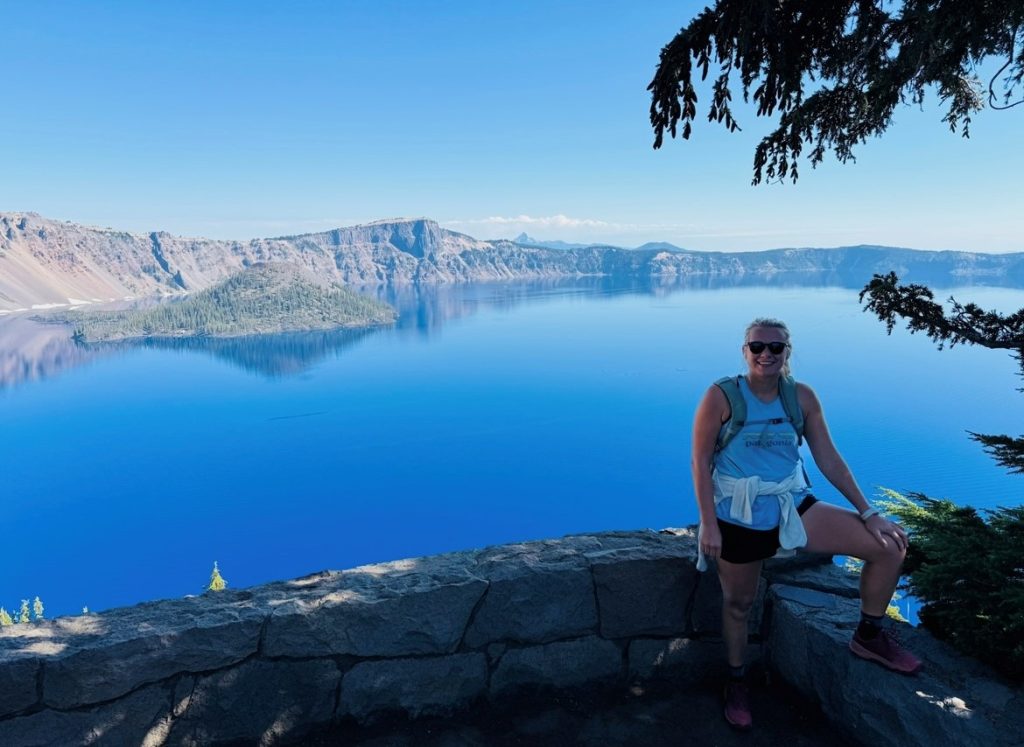
For hikers planning a major adventure, a pre-hike evaluation can help identify potential concerns and discuss options such as supportive footwear recommendations, orthotics, or treatment strategies.
“Hiking is a wonderful way to stay active and enjoy the outdoors,” says Dr. Katzer. “Taking care of your feet helps ensure you can continue doing the activities you love!”
If foot or ankle pain is preventing you from enjoying your favorite outdoor activities, the ORA podiatry team can help you get back on the trail with confidence.
