
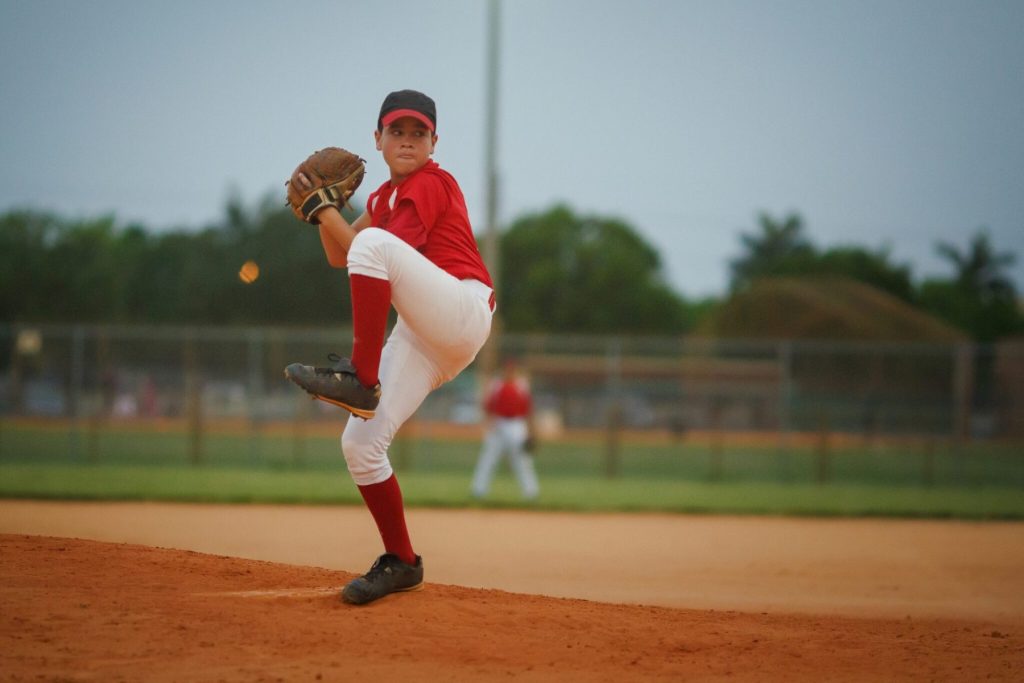
Long practices. Repetitive swings. Extra reps. It’s no surprise hand, wrist, and elbow pain starts to show up this time of year.
“At this point in the season, we see a lot of overuse injuries,” says Dr. Jonathan Winston, Hand Surgeon at ORA Orthopedics.
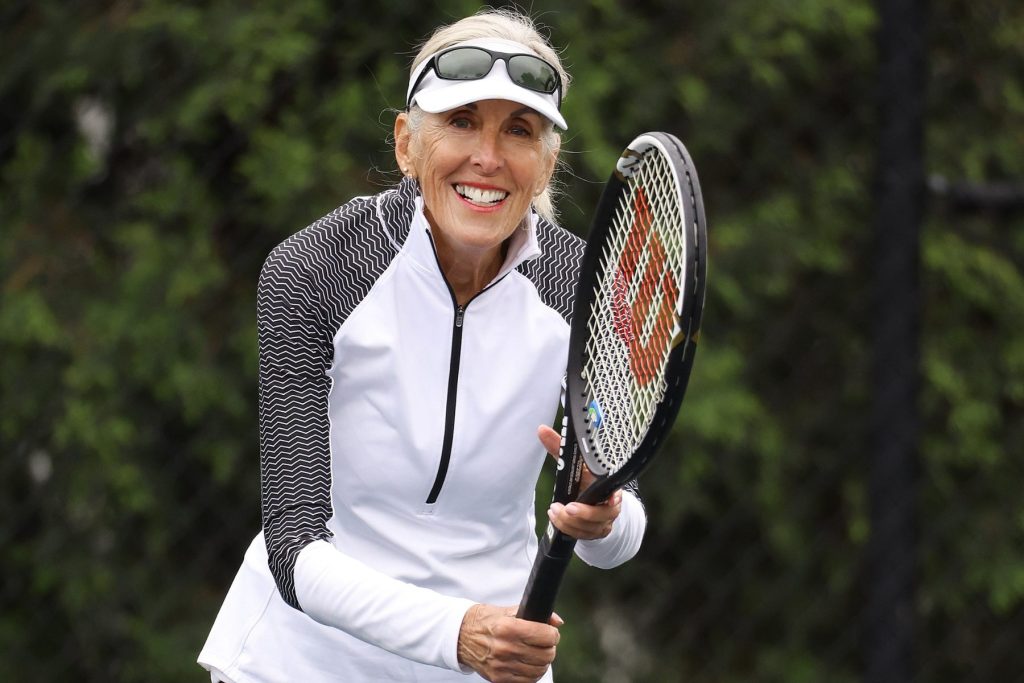
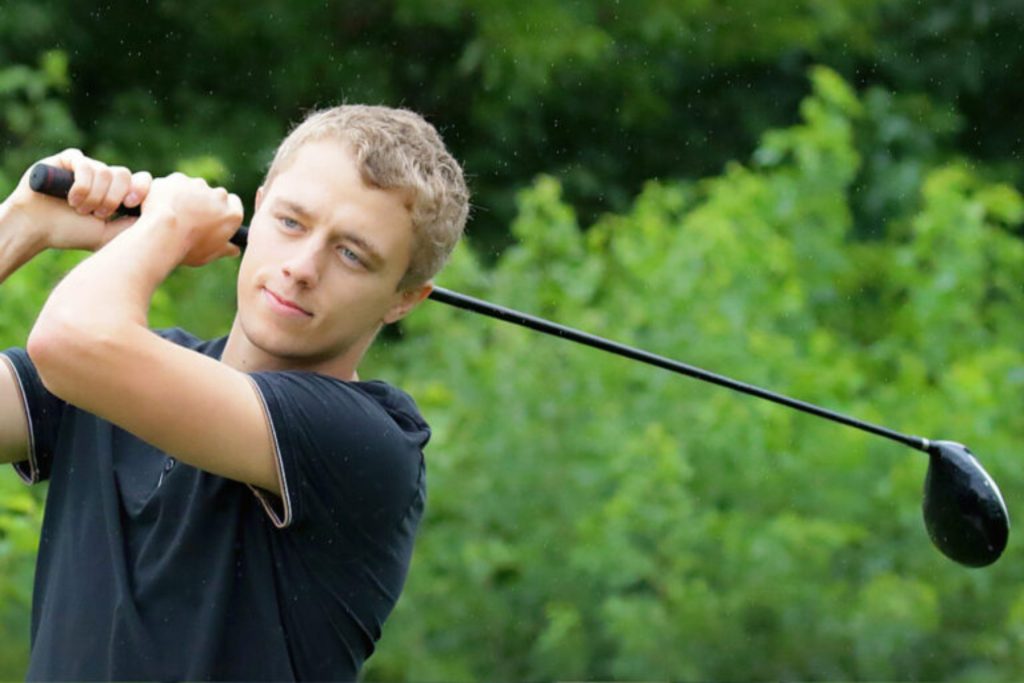
Common in sports like baseball, softball, tennis, and golf, repeated gripping, lifting, and swinging can irritate the tendons, leading to pain that doesn’t just go away on its own.
“Tendinitis develops when the tendon becomes irritated from repeated stress over time,” Dr. Winston explains. “Without proper rest or treatment, that inflammation can persist and start to affect strength, movement, and even nearby nerves.”
“If it’s starting to affect your performance or not improving with rest, it’s worth getting evaluated early,” Dr. Winston adds. Left untreated, irritation can begin to affect nearby nerves, causing symptoms that travel down into the hand.
Start Simple. Treat Early.
Most cases don’t require surgery. At ORA, care starts conservatively.
“Early treatment is key to preventing symptoms from progressing,” Dr. Winston says.
Options may include:
- Rest and activity modification
- Splints, casts, or cortisone injections
- Physical, occupational, or hand therapy

Dr. Winston, ORA Orthopedics
“Small adjustments in the technique or home exercises early on can make a big difference in recovery with hand and upper extremity pain,” says Mark Pischke, OTR/L, CHT, hand therapist at ORA.
“At ORA, we look closely at how you move, where pain is coming from, and how to correct it, whether that’s mechanics during sports, training habits, or even everyday movements like lifting or typing,” Pischke adds. “Physical, occupational, and hand therapy all play an important role in overall recovery and long-term performance.”
When It’s More Than Just Soreness
“In many cases, symptoms improve with conservative care within a few weeks to months,” Dr. Winston notes.
If symptoms persist, surgical treatment may be recommended to relieve pressure or repair the tendon.
“Surgery is typically a last step,” Dr. Winston says. “We focus on getting patients better with the least invasive options first.”
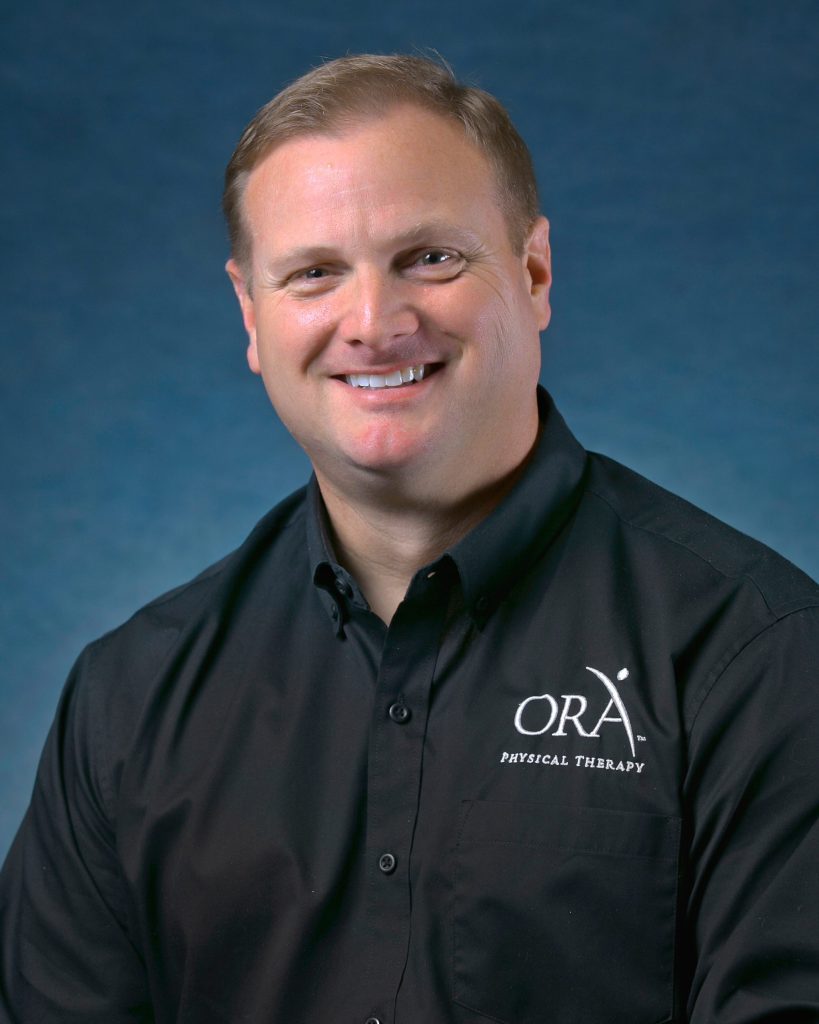
Mark Pischke, ORA Physical Therapy
“At ORA, all of our hand surgeons are fellowship-trained, which allows us to provide a high level of specialized care for hand, wrist, and upper extremity conditions,” Dr. Winston adds. “It also means patients can be seen more quickly and start treatment sooner.”
“Whether it’s an overuse injury or something more complex, our goal is to help patients get back to what they love with the right care and support.”
Care That Moves with You
ORA’s integrated approach brings physicians and therapists together in real time, allowing for seamless communication, on-site collaboration, and more personalized care at every stage of recovery.
By combining the advanced training of our physicians with the hands-on expertise of our therapy team, we help athletes recover stronger and get back to doing what they love.
No matter your age or performance level, getting you back in the game this spring isn’t just the goal, it’s what we do.
Learn more at qcora.com/hand-center and qcora.com/physical-therapy.
